

What Is 4WheelParts Used For: Features, Reviews & Alternatives
Retailer for truck, Jeep, SUV parts.
Editorially updated Oct 5, 2025
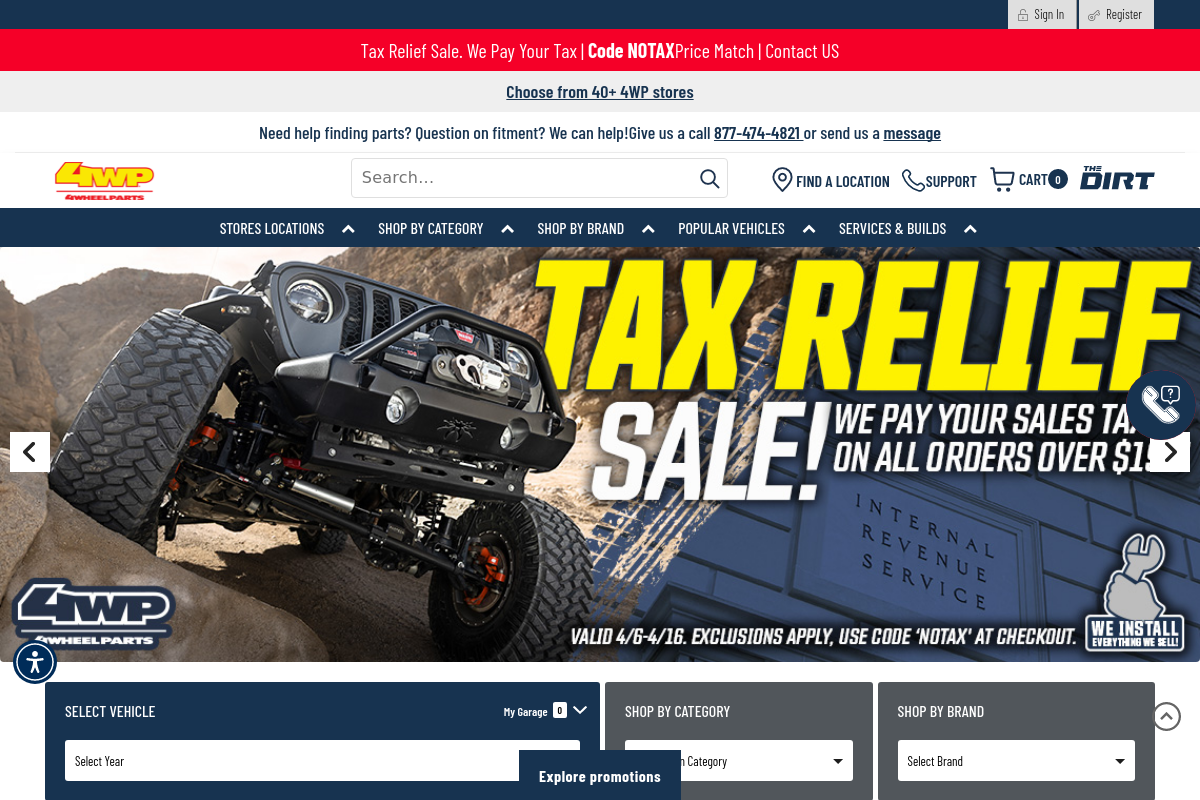
The overview
What 4WheelParts is for
1Core Capabilities
- Category and performance part navigation
- Product spec and compatibility details
- Checkout, shipping, and return policy visibility
Who it helps
Useful ways to use 4WheelParts
A practical path
Execute one production-like scenario
Open 4WheelParts, identify the primary fitment-driven part selection entry point, and confirm prerequisites before running the first real task.
External signals
Reviews & reputation
Aggregated review score
4WheelParts is valued for vehicle fitment confidence and parts checkout flow. Key risk is wrong-fit purchases and exchange friction; teams should validate reliability and ownership before scaling.
Quick answers
Frequently asked questions
1How should teams evaluate pricing and cost control for 4WheelParts?⌄
Start by mapping expected transaction volume or operational load to pricing tiers, then validate whether predictable costs hold once order, shipping, and return handling is fully enabled.
2What support expectations should be validated for 4WheelParts?⌄
Confirm support SLAs, escalation channels, and troubleshooting coverage for production-impacting issues before deeper adoption.
3Which usage scenarios are the best fit for 4WheelParts?⌄
The strongest fit is where fitment-driven part selection is central to daily work and teams can enforce repeatable checkpoints around vehicle fitment confidence and parts checkout flow.
4When should teams compare 4WheelParts with alternatives?⌄
Alternatives are worth testing when your required workflow differs from fitment-driven part selection, or when your team needs simpler vehicle details and compatibility checks than this stack expects.
5Can 4WheelParts operate reliably across multiple teams and owners?⌄
Yes, when process ownership is explicit and teams standardize review gates for order, shipping, and return handling rather than relying on informal handoffs.
Keep exploring