

What Is Amber Alert Used For: Features, Reviews & Alternatives
Child abduction emergency alert system.
Editorially updated Oct 25, 2025
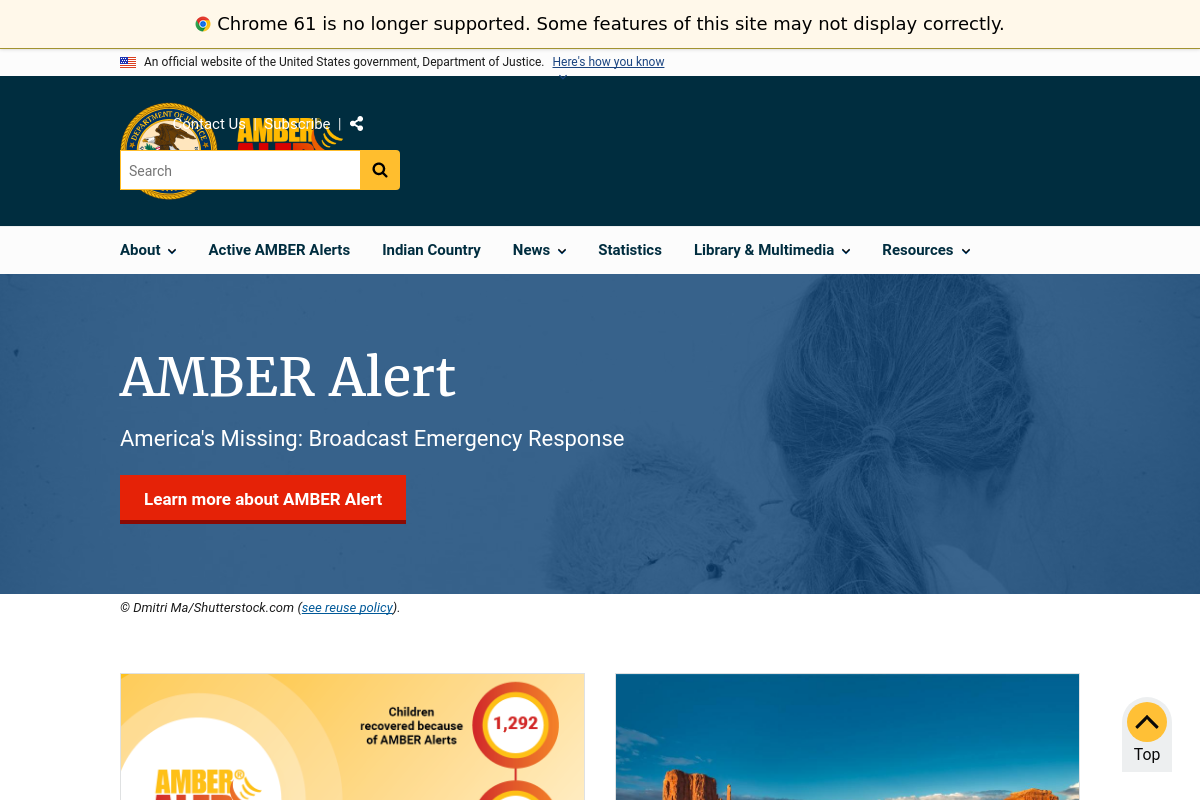
The overview
What Amber Alert is for
1Core Capabilitie
- Secure Alert Issuance Portal: Web interface for authorized agency personnel to initiate new alert
- Geographic Dissemination Configuration: Tools to define specific broadcast regions for localized alert
- Public Information Display Module: Automatically populates official public safety websites with active alert detail
- Alert Status Management: Functions to update, modify, or cancel active alerts via the web portal
2Specialized Workflow
- Missing Child Profile Builder: Structured input fields for child demographics, physical description, and last known clothing
- Suspect/Vehicle Information Entry: Dedicated sections for detailed suspect descriptions and vehicle identification
- Public Tip Submission Interface: Web form for citizens to securely submit relevant information directly to law enforcement
- Multi-Channel Broadcast Trigger: Initiates simultaneous dissemination across integrated web, mobile, and media partners upon activation
Who it helps
Useful ways to use Amber Alert
A practical path
Access Secure Alert Portal
Navigate to the designated secure web portal (e.g., state police intranet or federal system login). Authenticate using agency-issued credentials to gain access to the alert issuance interface
External signals
Reviews & reputation
Aggregated review score
A vital, highly effective web-based system for rapid child abduction alert dissemination, praised for its ease of use by law enforcement and its critical role in public safety. Users appreciate the targeted geographic capabilities and swift public notification.
Quick answers
Frequently asked questions
1What are the mandatory criteria for issuing an Amber Alert through this system?⌄
To issue an Amber Alert, law enforcement must confirm the child is 17 years or younger, there is reasonable belief of abduction, the child is in imminent danger of serious bodily injury or death, and there is sufficient descriptive information about the child, abductor, or vehicle to make an alert helpful.
2How quickly are alerts disseminated to the public once activated by an agency?⌄
Once an authorized agency activates an alert via the web portal, the system is designed for near-instantaneous dissemination. Alerts are typically broadcast across integrated web platforms, mobile apps, and media partners within minutes, often under 15 minutes from activation.
3Can an Amber Alert be modified or canceled after it has been issued?⌄
Yes, authorized personnel can access the active alert through the secure web portal to modify details (e.g., updated suspect information, new vehicle description) or cancel the alert entirely if the child is recovered or the criteria are no longer met. All changes are immediately propagated.
4What security measures are in place to protect the sensitive information entered into the system?⌄
The system employs robust security protocols, including end-to-end encryption for data transmission, multi-factor authentication for agency access, and strict access controls. All data is stored on secure, compliant servers, adhering to government data protection standards to safeguard sensitive child and incident information.
5Is there an official public API available for news organizations or third-party developers to integrate Amber Alert data?⌄
While direct public APIs for real-time alert data are typically restricted to authorized partners for security and control, official public safety websites often provide RSS feeds or embeddable widgets. Specific integration requests for critical public service applications are evaluated on a case-by-case basis by the managing authority.
Keep exploring