

What Is BabelNet Used For: Features, Reviews & Alternatives
Multilingual lexicalized semantic network.
Editorially updated Oct 25, 2025
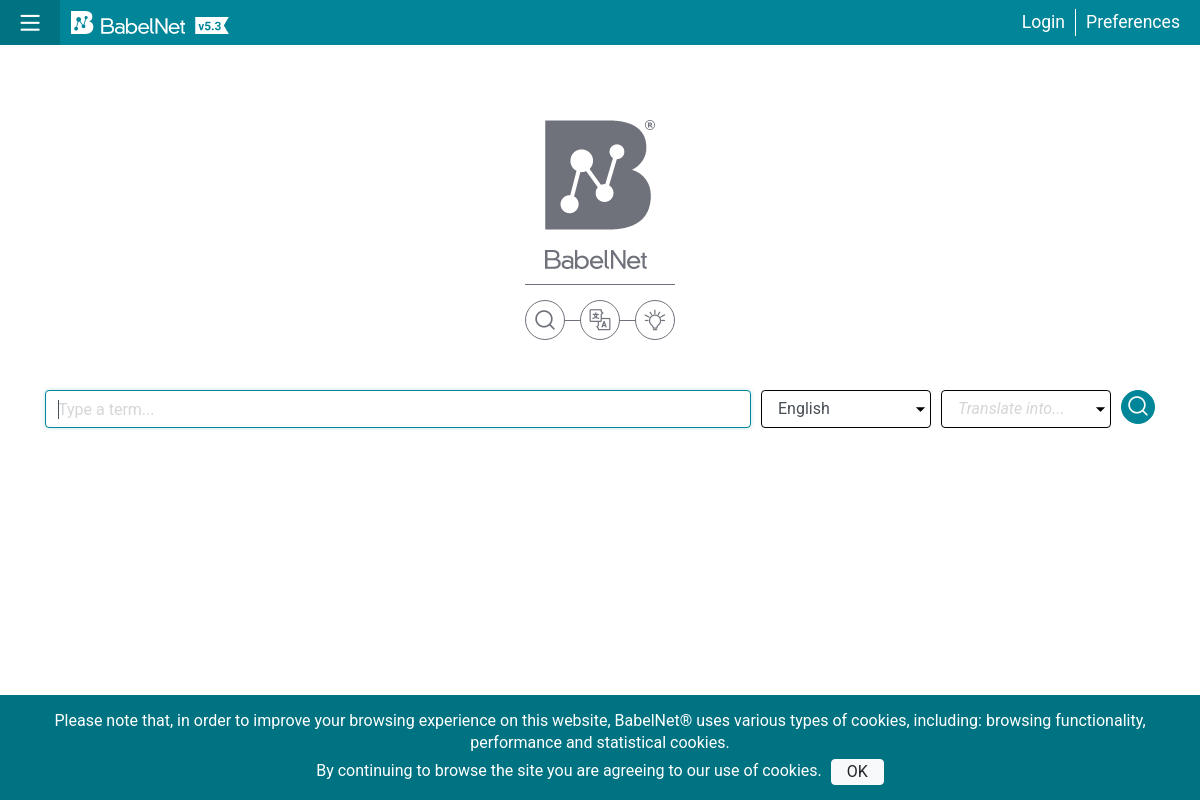
The overview
What BabelNet is for
1Core Capabilities
- Aggregates multilingual lexical data from diverse sources including WordNet, Wikipedia, and Wiktionary
- Provides semantic relations and translations across over 280 languages
- Enables concept disambiguation through interconnected synsets and glosses
- Supports API access for querying semantic networks and lexical entries
- Offers regular updates to incorporate new lexical entries and language data
Who it helps
Useful ways to use BabelNet
A practical path
Search for a term or concept
Enter a word or phrase in any supported language into the search bar to retrieve multilingual semantic data, including translations, synonyms, and related concepts.
External signals
Reviews & reputation
Aggregated review score
The practical upside of BabelNet is steadier repeatable team usage; the tradeoff is disciplined handling of maintenance overhead and process drift.
Quick answers
Frequently asked questions
1What are the access options and pricing for BabelNet?⌄
BabelNet offers a free tier with limited API calls suitable for small-scale use. Higher usage levels or commercial applications typically require a paid license. Exact pricing details should be confirmed directly with BabelNet as they may vary based on usage and integration needs.
2How comprehensive is BabelNet's language coverage for specialized translation tasks?⌄
BabelNet integrates multiple lexical resources covering dozens of languages, but coverage depth can vary by language and domain. Users focusing on niche or less-resourced languages should evaluate the network's data completeness and relevance for their specific translation requirements.
3What permissions and data usage policies govern BabelNet's API and data?⌄
Usage of BabelNet's data is subject to licensing terms that restrict redistribution and commercial exploitation without authorization. Users should review the specific license agreements to ensure compliance, especially when integrating BabelNet data into proprietary systems or products.
4Is BabelNet compatible with common translation and natural language processing tools?⌄
BabelNet provides API access that can be integrated with various NLP frameworks and translation platforms. However, compatibility depends on the technical environment and may require custom development to align BabelNet's semantic data with existing toolchains.
5What support options are available for users implementing BabelNet?⌄
Support is generally provided through documentation, user forums, and possibly direct contact channels for licensed users. The level of support may vary depending on the subscription or license type, so prospective users should verify available assistance before committing.
Keep exploring