

What Is Brightline Trains Used For: Features, Reviews & Alternatives
Private higher-speed rail in Florida.
Editorially updated Oct 25, 2025
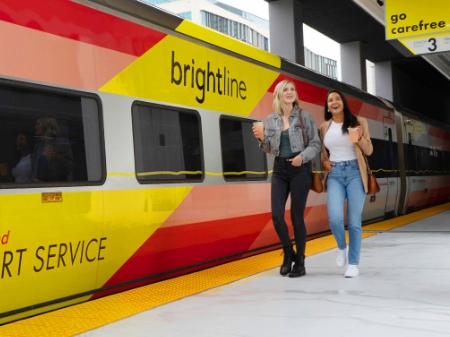
The overview
What Brightline Trains is for
1Core Capabilities
- Route map with station-by-station schedules
- One-way, round-trip, and date-flex fare search
- Upfront fare classes and checkout add-ons
- Trip change and cancellation terms shown before purchase
- Station guides with parking, pickup, and rider support details
Who it helps
Useful ways to use Brightline Trains
A practical path
Search the Florida route you actually need
Start on the booking panel and enter your departure station, arrival station, trip type, travel date, and passenger count. Use this first search to confirm Brightline serves your exact city pair and that the departure windows work for your airport transfer, event time, or same-day return.
External signals
Reviews & reputation
Aggregated review score
This pass shows Brightline Trains fitting strongest workflows where workflow completion quality is measurable and maintenance overhead and process drift controls are documented.
Quick answers
Frequently asked questions
1How broad is Brightline's route coverage for Florida trips?⌄
Treat Brightline as a corridor service rather than a statewide rail network. It can be a strong option when both ends of your trip are near its served stations, but it is worth checking station pairs, departure frequency, and the last-mile transfer before assuming it replaces a car.
2What should I confirm in the booking flow before I pay?⌄
Check the exact station names, departure window, fare tier, included baggage, and whether the displayed price changes once taxes, upgrades, or parking are added. On rail bookings, a cheap fare can stop looking cheap if you need premium seating or a long rideshare at either end.
3How flexible are changes and cancellations?⌄
That usually depends on the fare rules attached to the ticket. Before checkout, verify whether the booking is refundable, exchangeable for credit, or locked after a cutoff time, especially if your trip depends on a meeting, cruise, or same-day flight.
4Is it workable for families or travelers carrying more than a backpack?⌄
Possibly, but confirm baggage limits, stroller or bike handling, pet rules, and any age-related requirements for minors. A station-based trip is easier than driving in some cases, but only if your luggage setup matches what the fare and station process allow.
5What kind of help is realistic if service is disrupted?⌄
A careful buyer should look for day-of-travel support through station staff, app notifications, and a clear rebooking channel. If your schedule is tight, assume you may still need buffer time unless the operator explicitly states connection protection or compensation terms.
6When would a bus, car, or short flight make more sense?⌄
If your origin or destination is far from a Brightline station, if you need the absolute lowest fare, or if your day includes several stops, other modes may fit better. Brightline tends to make more sense when you value a fixed timetable, avoid highway driving, and can keep first-mile and last-mile transfers simple.
Keep exploring