

What Is Britannica Used For: Features, Reviews & Alternatives
Expert-written online encyclopedia.
Editorially updated Oct 25, 2025
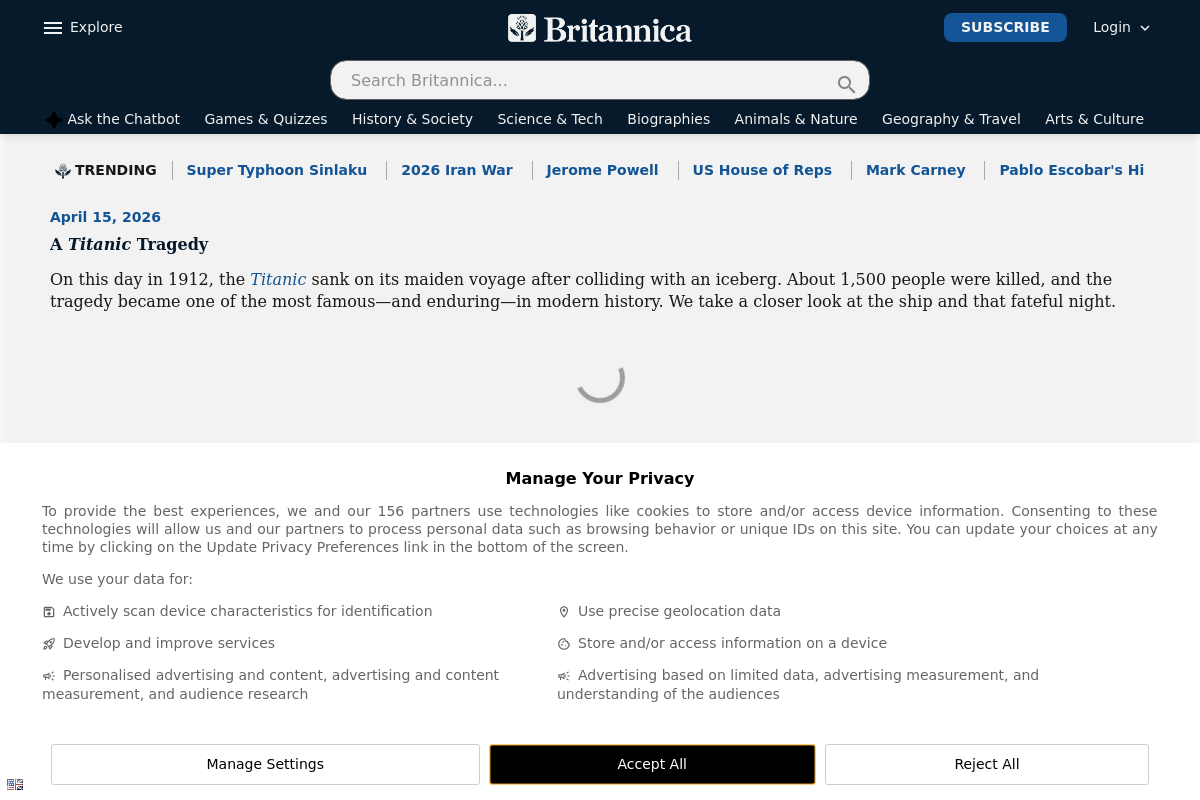
The overview
What Britannica is for
1Core Capabilities
- Search bar for jumping straight to topic entries
- Quick Summary cards, Top Questions, and section-level tables of contents
- Writer or editor attribution with last-updated dates on articles
- References and edit-history tabs for source checking and revision context
- MLA, APA, and Chicago citation copy tools
- Related Topics links, image galleries, and explainer videos tied to entries
Who it helps
Useful ways to use Britannica
A practical path
Search the exact subject
Start with a specific query in the main search bar such as a person, war, chemical element, dynasty, or legal doctrine. Britannica is most useful when you go straight to the canonical entry instead of browsing broad topic lists.
External signals
Reviews & reputation
Aggregated review score
This pass shows Britannica fitting strongest workflows where workflow completion quality is measurable and maintenance overhead and process drift controls are documented.
Quick answers
Frequently asked questions
1Do I need a subscription to use Britannica in a serious research or classroom setting?⌄
Possibly. Britannica may offer a mix of open access and subscriber-only material, but the exact split can vary by product tier, school package, or region. If you are buying for a library, school, or team, check whether article access, media, citation tools, and off-campus use are included before treating it as a standard reference source.
2How fast can someone get to one exact fact instead of reading around the topic?⌄
Britannica is most useful when the task is narrow: confirm a date, identify a person, place an event in context, or get a stable overview before deeper research. Its value depends on how well its search, article headings, and internal cross-links handle the exact query terms your users actually type, especially names with alternate spellings or older historical labels.
3When is Britannica a better fit than a community-edited wiki?⌄
It is usually a better fit when the reader wants a controlled reference article rather than a page shaped by ongoing public edits. That matters for classrooms, citation-sensitive writing, and background reading where a concise editorial summary is more useful than talk-page disputes, version hunting, or uneven source standards.
4How current is Britannica for fast-moving topics?⌄
Use it more confidently for established subjects than for breaking events, newly released products, or rapidly shifting political stories. Editorial reference works can lag live news cycles, so if update speed matters, treat Britannica as background context and confirm recent developments through current reporting or primary sources.
5Can I reuse Britannica text or images in training materials, handouts, or internal docs?⌄
Do not assume that reading access also grants reuse rights. Short quotations with attribution may be workable in some contexts, but article copying, image reuse, and bulk redistribution can depend on copyright terms and license scope. If the material will appear in course packs, published content, or commercial documents, review permissions first.
6What should IT, privacy, or library ops check before rolling it out?⌄
Confirm how access is handled: direct accounts, institutional login, proxy links, or another library authentication method. Also review whether saved activity is tied to named users, what cookies or trackers are involved, and whether home access works reliably on the browsers and devices your patrons or students actually use.
Keep exploring