

What Is Byte Used For: Features, Reviews & Alternatives
At-home clear aligner treatment system.
Editorially updated Oct 25, 2025
The overview
What Byte is for
1Core Capabilities
- At-home impression kit or dentist-provided scan intake
- Licensed dentist review of photos, dental history, and malocclusion fit
- Custom BPA-free aligner trays shipped in staged upper and lower sets
- Remote treatment check-ins through the patient account or app
- Daily tray-seating device with five-minute vibration sessions
- Night retainer reorders to hold post-treatment alignment
Who it helps
Useful ways to use Byte
A practical path
Check treatment availability first
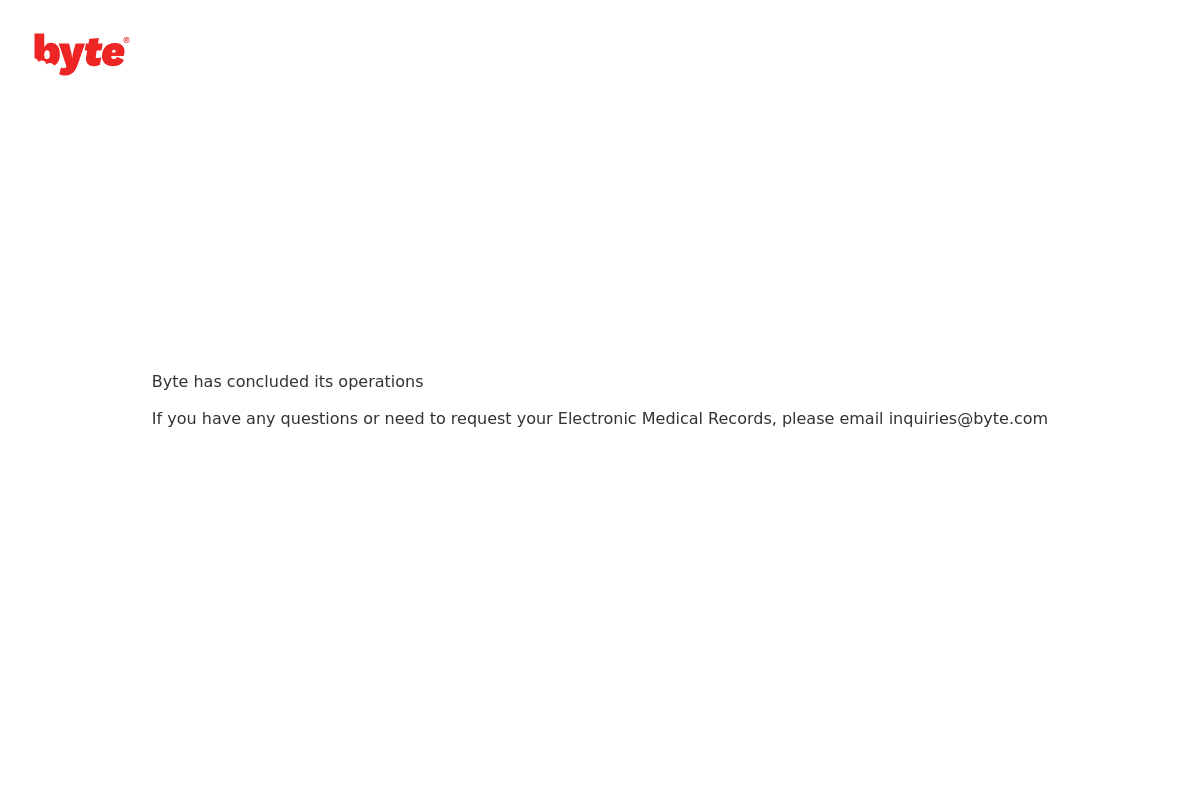
Open the homepage and read the current notice before expecting an impression kit, scan workflow, or remote case review. Byte’s public site now states that treatment operations have concluded, so the first task is confirming whether you are dealing with legacy patient support rather than a new orthodontic intake.
External signals
Reviews & reputation
Aggregated review score
Confidence in Byte improves once teams validate intake boundaries, consent, and support scope against real production paths and monitor drift over the first rollout cycle.
Quick answers
Frequently asked questions
1Who is Byte usually suited for, and who should be cautious?⌄
At-home aligner programs are generally easier to justify for mild to moderate crowding or spacing when your teeth and gums are already in good condition. If your case may involve significant bite correction, extractions, active gum disease, untreated cavities, implants, veneers on moving teeth, or jaw pain, a local orthodontist or dentist is usually the safer starting point before committing to remote treatment.
2What should I verify before paying for a Byte plan?⌄
A careful buyer should check how candidacy is determined, whether recent X-rays are requested or merely optional, what happens if you are not approved after submitting records, and whether refinements, retainers, replacements, or shipping are billed separately. It is also worth reading the refund terms closely, because timing and eligibility can matter more than the headline package price.
3Can Byte be paid for with insurance, HSA, or financing?⌄
Some direct-to-consumer dental programs may accept HSA or FSA funds and may provide paperwork for out-of-network reimbursement, but that does not guarantee your insurer will treat it like orthodontic care. Confirm the total financed amount, any fees or interest, and whether retainers or follow-up trays sit outside the quoted plan before assuming the monthly cost tells the full story.
4What health and personal data would I likely be sharing?⌄
Expect to share dental photos or scans, medical and dental history, contact details, payment information, and treatment communications. Before enrolling, review whether data may be shared with affiliated dental professionals, labs, finance partners, analytics vendors, or marketing systems, and check how long records are kept and what opt-out choices are available for non-clinical communications.
5How much support can remote aligner care realistically cover once treatment starts?⌄
Remote support may be enough for tray fit questions, wear-time issues, or routine progress checks, but it has limits. If you develop persistent pain, gum irritation that does not settle, a bite that feels worse, signs of tooth or gum disease, or anything that seems urgent, you should assume an in-person dental exam is the appropriate next step rather than waiting on messaging alone.
6How does Byte compare with seeing a local orthodontist for clear aligners?⌄
The remote model can lower friction for people who value at-home setup and fewer office visits, especially in places where orthodontic access is limited. In-person orthodontic care usually offers a fuller diagnostic workup, closer bite monitoring, and more options for complex tooth movement, so the tradeoff is convenience and price versus the depth of hands-on supervision.
Keep exploring