

What Is Calorie King Used For: Features, Reviews & Alternatives
Food nutrition database, focus on restaurants.
Editorially updated Oct 25, 2025
The overview
What Calorie King is for
1Core Capabilities
- Restaurant and fast-food chain nutrition lookup by menu item
- Calorie, carb, fat, and protein counts across 150,000+ foods
- Expanded nutrient panel with fiber, saturated fat, trans fat, cholesterol, sodium, and alcohol
- Food and brand search with category browsing for eating-out and packaged foods
- Database-maintained entries instead of user-submitted nutrition listings
Who it helps
Useful ways to use Calorie King
A practical path
Start in the restaurant lookup
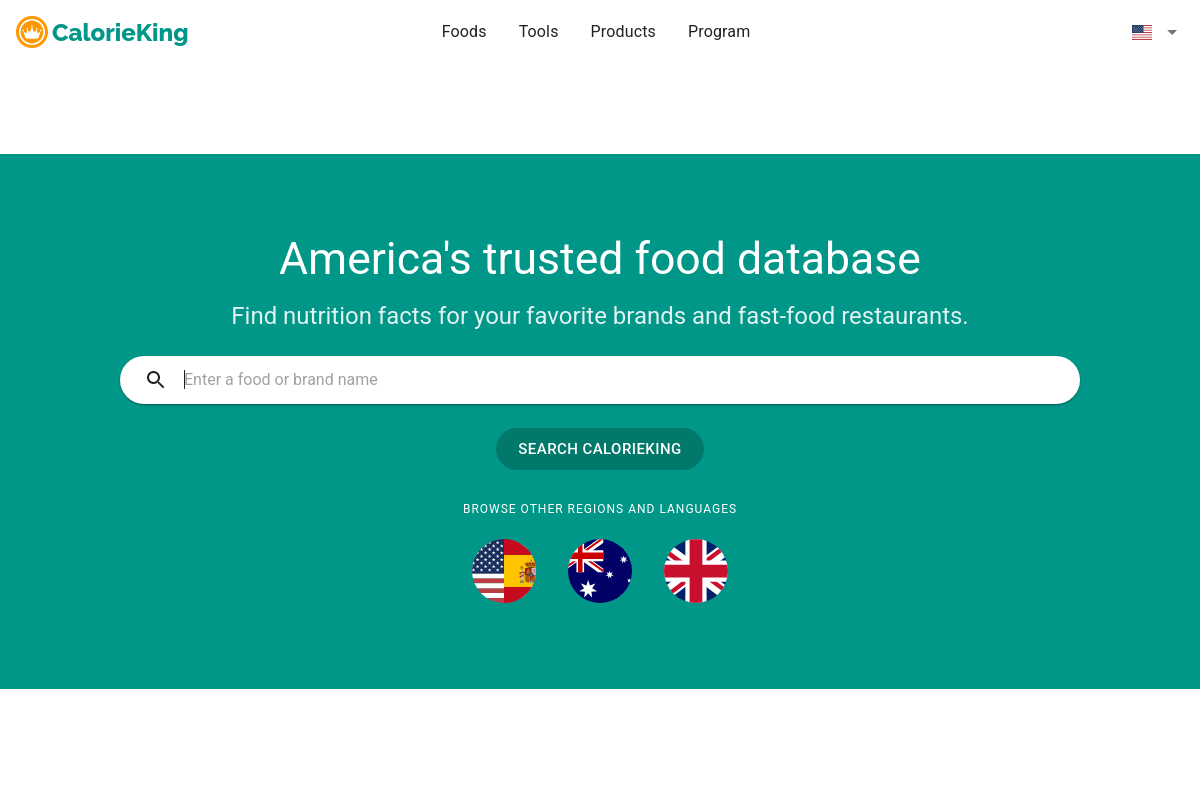
Open the Restaurants section or use the main search bar, then enter the chain name before searching for a dish. This is the fastest first-time path when you need nutrition data for a specific menu item rather than a generic food.
External signals
Reviews & reputation
Aggregated review score
This pass shows Calorie King fitting strongest workflows where emotional support and care-pathway matching quality is measurable and inconsistent support quality and escalation gaps controls are documented.
Quick answers
Frequently asked questions
1Is Calorie King a good fit if most of my nutrition decisions happen at restaurants?⌄
If your main friction is choosing between chain meals, coffee drinks, or takeout options before ordering, it likely fits better than a recipe-first tracker. It is less useful if you mostly cook at home or want guided meal planning instead of quick nutrition lookups.
2Can I use it without paying or creating an account?⌄
Basic food lookup may be available without much setup, but the exact free versus paid split can change. Before relying on it, check whether restaurant entries, saved logs, favorites, or ad-light use require registration or a subscription.
3How reliable is the restaurant nutrition data for calorie and macro counting?⌄
Treat restaurant data as directional unless you can confirm the source and update date. Chain menus change, serving sizes drift, and limited-time items may lag, so it is worth cross-checking the restaurant's own nutrition page when carbs, sodium, or total calories matter closely.
4What personal data would I likely need to share?⌄
A lookup-focused site usually works with fewer permissions than a coaching app, especially if you browse without syncing devices. If you create an account, review whether saved history, email signup, analytics, or ad-related tracking are optional and whether any data is used beyond core account functions.
5Can it replace advice from a dietitian or clinician?⌄
No. A nutrition database can help you compare menu items, but it should not be the basis for insulin dosing, renal diet decisions, eating disorder recovery, allergy risk decisions, or other care-sensitive choices without professional guidance.
6What should I use instead if I need barcode scanning, meal logging, or health app sync?⌄
If you want full-day tracking, coaching, barcode entry, or integration with wearables and health platforms, a broader nutrition app may be a better match. If your narrower need is checking restaurant meals before you order, a restaurant-focused database can be the simpler option.
Keep exploring