

What Is PocketGuard Used For: Features, Reviews & Alternatives
Budgeting app focused on 'In My Pocket' amount.
Editorially updated Oct 5, 2025
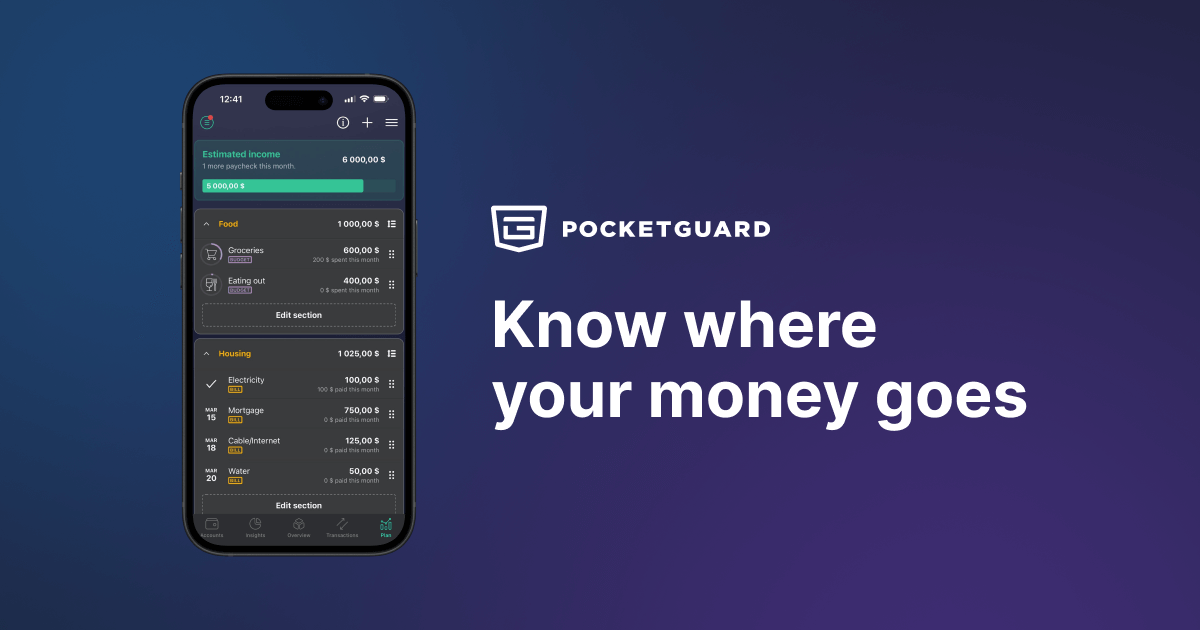
The overview
What PocketGuard is for
1Core Capabilities
- Tracks a live "In My Pocket" balance by applying scheduled bills, expected transfers, and known card authorizations
- Supports category caps with practical labels like must-pay, flexible, and avoid to prioritize cash allocation
- Reconsolidates bank reads, card activity, and manual cash entries into one spend-availability snapshot
- Highlights recurring fee bleed from subscriptions, transfer costs, and card charges so spending decisions use net cash, not gross cash
- Sets spending guardrails such as minimum pocket thresholds and optional hard stop alerts before optional categories are exceeded
Who it helps
Useful ways to use PocketGuard
A practical path
Connect live spending sources
Link bank, card, and payout accounts if your plan includes secure read sync, then confirm whether the imported feed is complete before relying on any pocket number.
External signals
Reviews & reputation
Aggregated review score
The practical upside of PocketGuard is steadier repeatable team usage; the tradeoff is disciplined handling of maintenance overhead and process drift.
Quick answers
Frequently asked questions
1What fees should I check first?⌄
Start with the pricing page for account-connection costs, overage charges, and transfer costs. If fees are usage-based, calculate them against your typical monthly transaction count before choosing a paid tier.
2Does it only track money or can it move money?⌄
PocketGuard focuses on control and visibility first. Confirm whether transfer actions are available in your region or plan, and whether each action requires manual confirmation before execution.
3How quickly does the in-pocket number update after spending?⌄
Expect a delay with some providers, especially around card authorizations. In practice, verify behavior over several days with a small purchase and check if pending items are reflected before they clear.
4How much setup friction is there for payroll and bills?⌄
The practical test is whether recurring income and fixed commitments can be added without custom rules. If setup takes more than a few minutes per category, the system may not match fast-moving cash needs.
5What if I am very risk-averse?⌄
Use the lowest-risk controls first: strict pocket thresholds, optional expense lockouts, and clear risk tags. Keep transfers disabled until you confirm the alert rules are accurate.
Keep exploring