

What Is Rise Science Used For: Features, Reviews & Alternatives
App tracks sleep debt, improves energy.
Editorially updated Oct 25, 2025
The overview
What Rise Science is for
1Core Capabilities
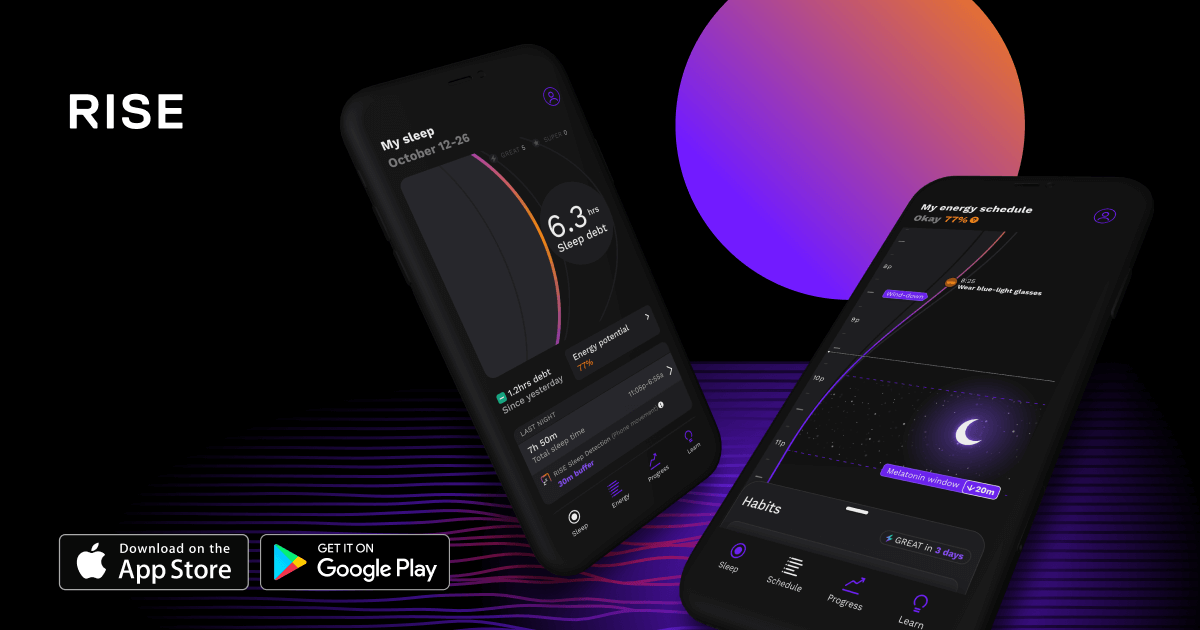
- Sleep Debt Visualizer dashboard
- Circadian Rhythm Alignment guide
- Energy Schedule Planner interface
- Personalized Napping Recommendation
- Sleep Environment Optimization tip
Who it helps
Useful ways to use Rise Science
A practical path
Access Your Dashboard
Navigate to the website in your browser and sign in to your personalized dashboard. This is your central hub for all sleep data and recommendation
External signals
Reviews & reputation
Aggregated review score
Users consistently praise Rise Science for its clear explanation of sleep debt and actionable, personalized recommendations. Many report significant improvements in daily energy, focus, and overall well-being, appreciating the web platform's intuitive interface and the scientific basis of its guidance.
Quick answers
Frequently asked questions
1How does Rise Science calculate my sleep debt?⌄
The platform calculates sleep debt by comparing your actual sleep duration against your individual sleep need, which is determined through an initial assessment and ongoing tracking of your sleep patterns. It's a cumulative measure of how much sleep you've missed relative to what your body requires.
2Can I sync data from my wearable sleep tracker?⌄
Rise Science is designed to integrate with several popular sleep tracking wearables and health apps. You can typically connect your device through the settings section of your web dashboard to automate data input.
3Is there a mobile application, or is it strictly web-based?⌄
While the core experience is accessible via any web browser, Rise Science often provides companion mobile applications for iOS and Android. These apps offer convenient data input, quick access to your dashboard, and push notifications for recommendations on the go.
4What kind of recommendations does the tool provide?⌄
Recommendations are highly personalized and typically include optimal bedtime and wake-up windows, strategic napping advice (when and for how long), and guidance on light exposure (e.g., when to seek bright light or dim lights) to help align your circadian rhythm and reduce sleep debt.
Keep exploring