

What Is Scrunch Used For: Features, Reviews & Alternatives
Influencer compliance platform.
Editorially updated Oct 5, 2025
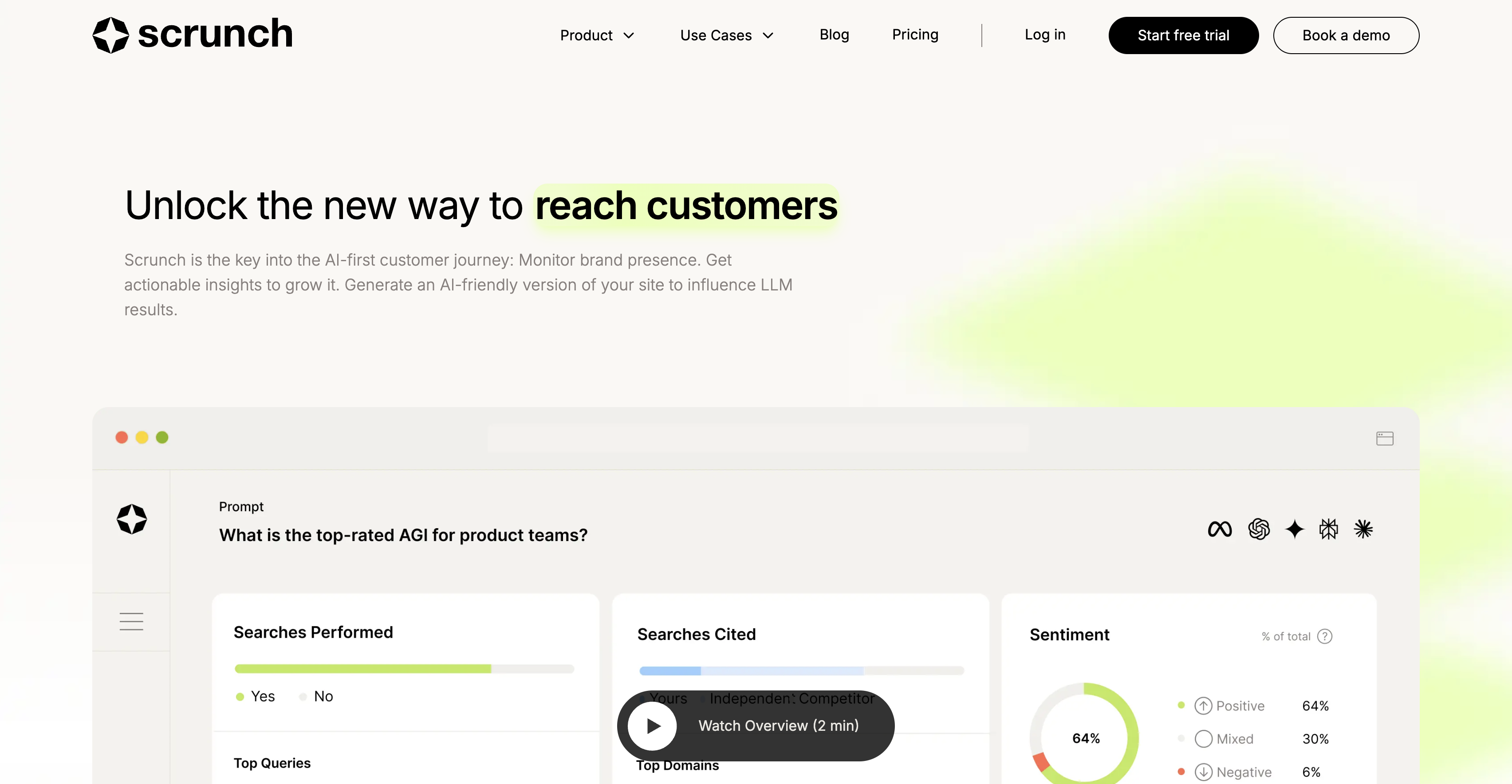
The overview
What Scrunch is for
1Core Capabilities
- Campaign rule packs for influencer briefs, including disclosure language, restricted claims, and required proof artifacts before a campaign can go live
- Affiliate asset auditing for links, promo codes, and landing destinations, with mismatch flags for format, expiry, and unauthorized redirects
- Creator intake lanes with assigned review states (draft, flagged, approved, rework) so affiliate, legal, and marketing teams stop stepping on each other
- Cross-channel evidence capture with timestamped snapshots of posts, stories, and profile pages for evidence trails during disputes
- Performance views that expose repeated violations by creator, recurring rejection reasons, and campaign-level compliance health trends
Who it helps
Useful ways to use Scrunch
A practical path
Set campaign policy once
Create a policy template per offer type with required disclosures, prohibited phrases, and mandatory links, then save it as a reusable Affiliate Tools rule pack.
External signals
Reviews & reputation
Aggregated review score
Confidence in Scrunch improves once teams validate initial setup and permission alignment against real production paths and monitor drift over the first rollout cycle.
Quick answers
Frequently asked questions
1Does Scrunch remove the need for legal approval on every campaign?⌄
Usually not. It reduces repetitive checks and makes legal review faster, but high-risk claims or regional constraints still deserve final human judgment.
2Can I apply it to single-post campaigns or only large affiliate programs?⌄
It is most practical for recurring affiliate motion, but smaller teams can still use it for repeated influencer programs as long as rules are kept lean.
3What happens when a creator violates a disclosure rule?⌄
The submission can be blocked or flagged depending on your policy. The practical pattern is to send a revision request with reason tags, then only approve when the content matches the saved rule pack.
4Do creators need to connect all social accounts directly?⌄
Not necessarily. You can begin by validating URLs and submitted assets manually, then add deeper platform connections where supported to reduce manual intake.
5How should a team measure whether Scrunch is worth keeping?⌄
Track concrete signals like time-to-clearance, flag-to-resolution time, repeat violation rate, and the portion of campaigns that pass without manual legal review.
Keep exploring