

What Is Siemens Industrial AI Used For: Features, Reviews & Alternatives
AI solutions for industrial automation
Editorially updated Oct 5, 2025
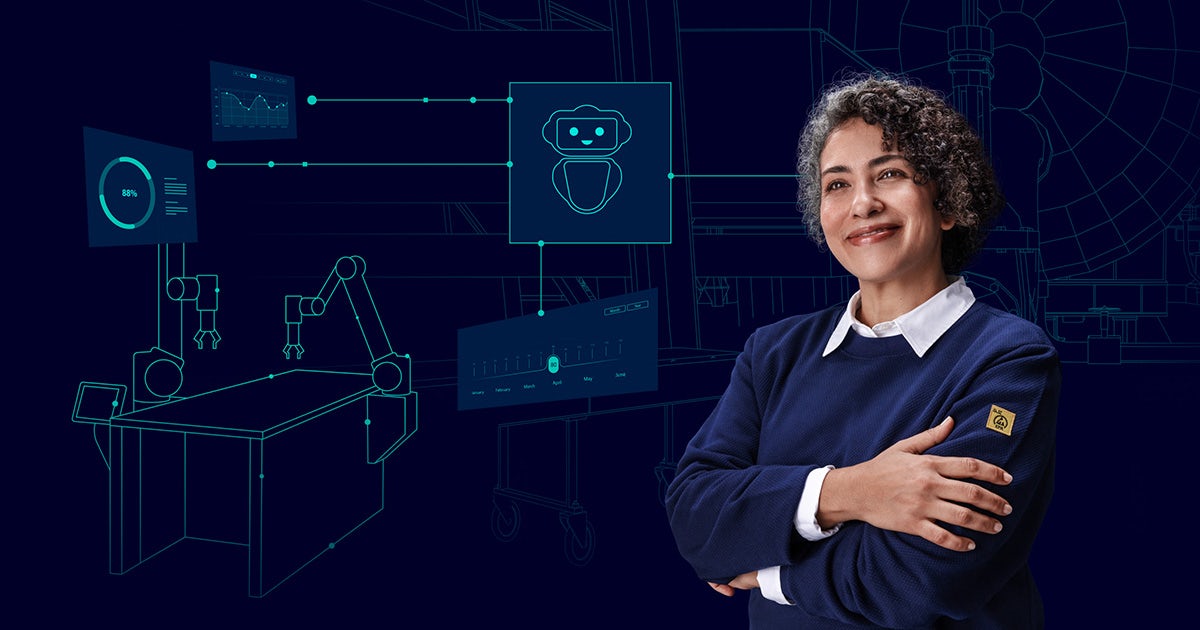
The overview
What Siemens Industrial AI is for
1Core Capabilities
- OT-aware anomaly detection using machine and process signals from PLC, SCADA, and historian sources
- Predictive maintenance workflows that link failure patterns to asset classes, operating states, and maintenance windows
- Industrial Edge and cloud deployment options for low-latency inference near equipment with centralized model governance
- Integration paths into Siemens automation environments (for example SIMATIC and related tooling) to reduce retrofit effort
Who it helps
Useful ways to use Siemens Industrial AI
A practical path
Scope one production-critical line
Select a line with frequent stoppages or quality variance, and define target assets, tags, and failure modes before integration work starts.
External signals
Reviews & reputation
Aggregated review score
Siemens Industrial AI performs best when teams prioritize clear task execution and operational repeatability and keep ownership explicit around repeatable team usage.
Quick answers
Frequently asked questions
1How difficult is integration in a mixed-vendor plant?⌄
Difficulty varies by protocol availability, data quality, and asset naming consistency. Sites with clean historian and tag structures usually onboard faster than sites with fragmented legacy systems.
2Can this run at the edge instead of only in cloud?⌄
Siemens commonly supports industrial edge patterns, but exact capabilities depend on product module, hardware, and licensing. Confirm latency and offline behavior for your target deployment.
3What should we verify during a pilot?⌄
Track alert precision, missed detections, operator trust, and time-to-action over repeated production cycles. Single-week trials can look good but miss variability that appears later.
4Is this suitable for regulated or high-safety operations?⌄
Potentially, but acceptance depends on your compliance framework and control boundaries. Treat AI outputs as decision support unless your governance explicitly permits automated control actions.
Keep exploring