

What Is Stanford Computer Science Used For: Features, Reviews & Alternatives
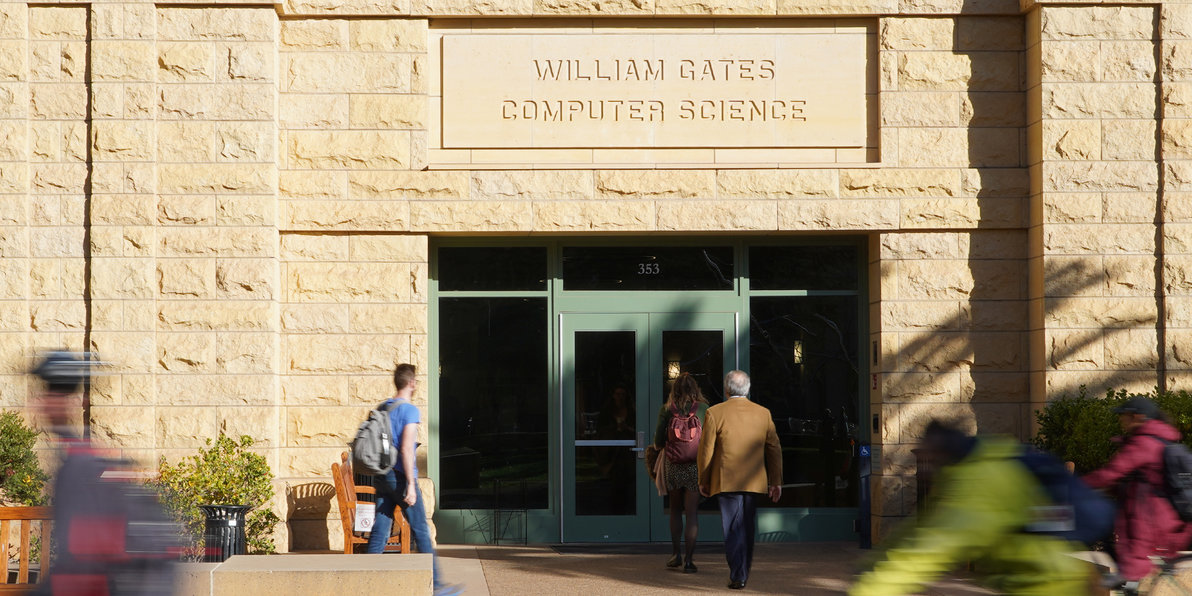
Stanford University's CS department.
Editorially updated Oct 25, 2025
The overview
What Stanford Computer Science is for
1Core Capabilities
- Structured program and degree pages that expose core requirements, special tracks, and progression logic by stage
- Course-focused navigation for identifying prerequisite chains, depth of core theory coverage, and elective clusters
- Faculty and research lab listings that connect learners to active themes in AI, systems, security, HCI, and related CS domains
- Seminar, event, and news streams that reveal research direction shifts and topical emphasis over the academic cycle
- Department news + announcement structure that helps users revisit and audit policy or curriculum updates without guessing
- Official links to advisement, applicant guidance, and policy-heavy resources, useful for verifying scope before committing
Who it helps
Useful ways to use Stanford Computer Science
A practical path
Define your target level and outcome
Select whether you are evaluating for undergraduate, master’s, or doctoral trajectory first, because each path uses a different prerequisite depth and evaluation bar.
External signals
Reviews & reputation
Aggregated review score
Confidence in Stanford Computer Science improves once teams validate initial setup and permission alignment against real production paths and monitor drift over the first rollout cycle.
Quick answers
Frequently asked questions
1Does this site give complete program requirements in one place?⌄
It gives the primary structure, but details can vary by catalog year and specific concentration. Treat it as the core reference and confirm final requirements through linked official catalog pages.
2Can international applicants use this to prepare before contacting the department?⌄
Yes, as a first pass for planning and self-audit. For definitive admission criteria, it is safer to cross-check the linked official admissions and policy pages.
3Is there enough hands-on guidance for self-study, or is it mostly administrative?⌄
The site is strongest for pathway planning and research orientation. Practical project content exists but is often distributed across separate course platforms and linked resources.
4How often should I revisit the page when planning long-term study goals?⌄
Revisit at least every term if possible. Faculty initiatives, sequencing priorities, and offered seminars can shift, and those changes affect how practical a prepared roadmap is.
5What is a good fit test before investing deep prep time?⌄
Check whether the site clearly supports your level goal, shows a viable sequence with explicit prerequisite logic, and offers enough visible research signals in your chosen CS niche.
6Are there hard usage boundaries to keep in mind?⌄
Use it as a planning and verification tool, not the sole source for legal, visa, or final enrollment decisions; those must be confirmed through official Stanford and admissions documentation.
Keep exploring