

What Is Starling Bank Used For: Features, Reviews & Alternatives
UK digital bank for personal & business.
Editorially updated Oct 25, 2025
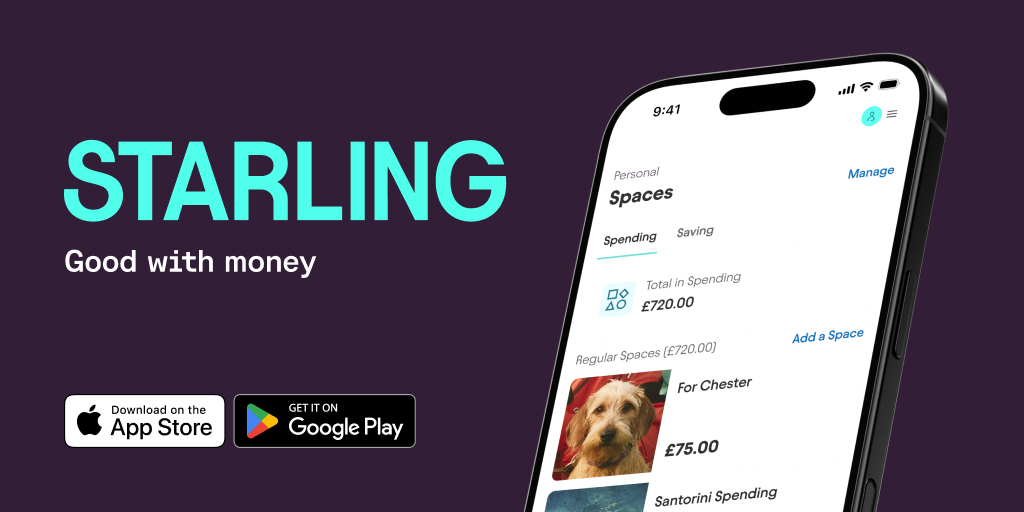
The overview
What Starling Bank is for
1Core Capabilities
- UK-focused current account setup with separate pathways for personal and business usage, helping you compare both on the same platform before committing
- Integrated spending and movement view for cards, transfers, and top-up activity, designed for fast reconciliation and fewer blind spots
- Sub-account-style money pots for budget planning, so reserves for taxes, emergency funds, or supplier buffers remain separated by intent
- In-app controls for card safety and transaction visibility, including quick containment actions and near-real-time activity signals
- Statement and transaction history access intended for bookkeeping, with enough structure to support recurring expense reviews and audits
- Transfer tools and payout handling aimed at short-cycle cash flow, with fee and rail behavior to confirm against your business tolerance
Who it helps
Useful ways to use Starling Bank
A practical path
Define non-negotiables
List your top three constraints: maximum acceptable setup delay, max monthly cost of ownership, and transfer failure tolerance. If fees or timing already exceed this, stop before account migration.
External signals
Reviews & reputation
Aggregated review score
The practical upside of Starling Bank is steadier repeatable team usage; the tradeoff is disciplined handling of maintenance overhead and process drift.
Quick answers
Frequently asked questions
1Are there hidden monthly fees for using Starling Bank?⌄
Publicly, Starling is typically presented as low-fee for core use, but pricing and optional add-ons change over time. Confirm the latest tariff page before migrating.
2How can a cautious user reduce setup friction risk?⌄
Prepare all required identity or business verification documents first, and verify account-opening prerequisites by business type, region, and residency before starting migration. This avoids mid-process blockers and repeated onboarding cycles.
3Does Starling support international spending and transfers for UK users?⌄
Support generally exists for cross-border use in specific channels, but the exact corridor, fees, and settlement timing vary by card and transfer path. Test with a small transaction first and compare against your existing bank rails.
4Can I rely on the platform for fast payout and reconciliation?⌄
Use a short pilot window to measure real payment intervals and statement accuracy against your books. If cycle delays or export gaps are material, keep primary cash flow in your existing core account.
5How are risky transactions handled if something goes wrong?⌄
Card/cardless actions can typically be monitored and constrained from within the app, but recovery SLAs and escalation paths should be checked against recent policy pages and real support contact timing before full rollout.
Keep exploring