

What Is Surfer SEO Used For: Features, Reviews & Alternatives
On-page SEO analysis & content optimization.
Editorially updated Oct 5, 2025
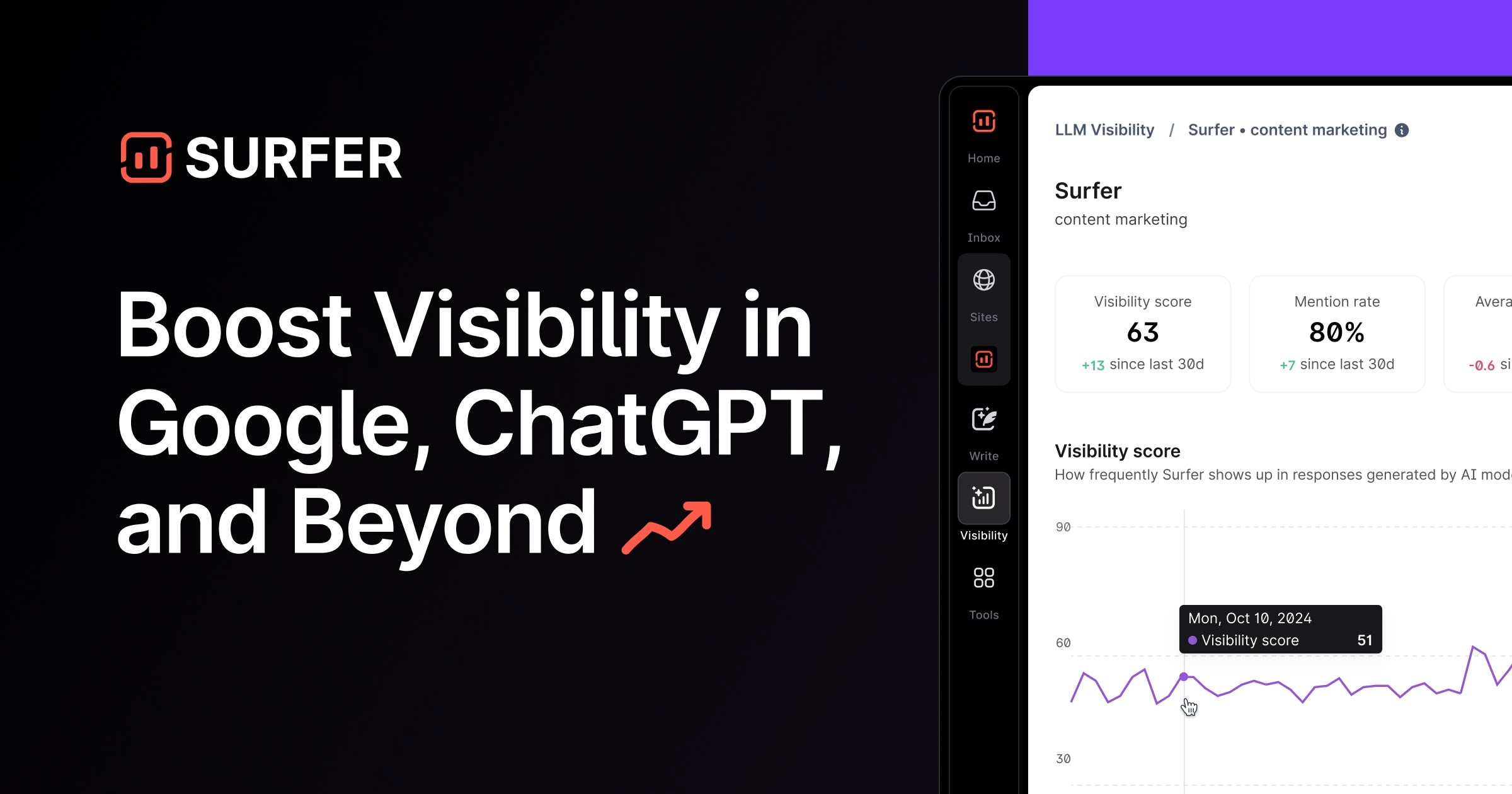
The overview
What Surfer SEO is for
1Core Capabilities
- Topic and keyword analysis in one view, with semantic coverage checks against target SERP intent
- AI-assisted on-page scoring for headings, structure, and content depth, focused on the current search keyword set
- Competitor comparison mode to surface missing entities, phrase variants, and content angles
- Editable optimization suggestions for in-page text, headings, and metadata from a single interface
- Audit history and versionable recommendations that support iterative publishing for repeated page updates
Who it helps
Useful ways to use Surfer SEO
A practical path
Map each page to a primary search intent
Start with one keyword target per page, then separate variations by user stage or funnel step before analysis.
External signals
Reviews & reputation
Aggregated review score
Confidence in Surfer SEO improves once teams validate topic selection and source filtering against real production paths and monitor drift over the first rollout cycle.
Quick answers
Frequently asked questions
1Is Surfer SEO better for new content, existing pages, or both?⌄
It is typically useful for both, though existing pages usually gain more value when you compare prior and post-edit snapshots in a repeatable cadence.
2How useful is it if the team writes in multiple CMS systems?⌄
It can still be useful when recommendations are exported and synchronized manually, but integration quality and handoff time should be validated for each CMS in your stack.
3Can this replace technical SEO crawling tools?⌄
Usually not. Surfer is strongest for on-page content depth and structure, while technical crawl issues (indexation, crawl budget, server responses) still need dedicated technical SEO tooling.
4How should we measure confidence in recommendations?⌄
Use internal consistency checks: if similar templates produce similar recommendations over multiple runs, confidence increases. If results fluctuate heavily, shorten your iteration scope and rerun before making broad edits.
5Will the tool help with client reporting?⌄
It can help at a practical level if you can export historical checks, but reporting depth depends on your reporting layer and whether those exports can be integrated cleanly.
Keep exploring