

What Is Tesla Supercharger Network Used For: Features, Reviews & Alternatives
Tesla's global fast-charging network for electric vehicles.
Editorially updated Oct 25, 2025
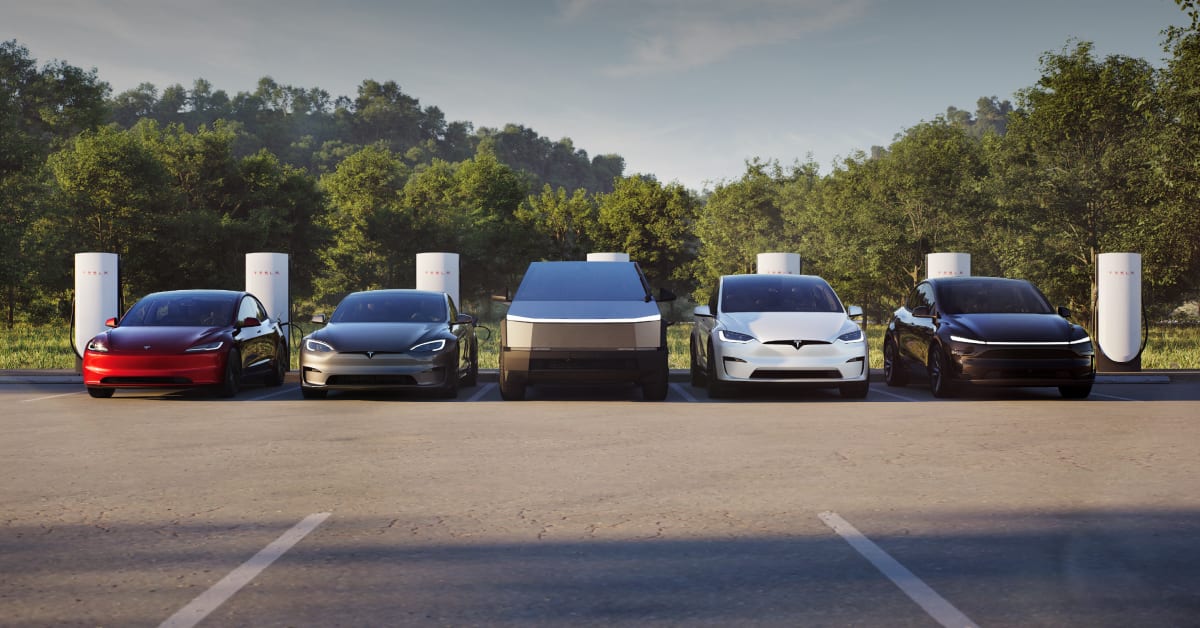
The overview
What Tesla Supercharger Network is for
1Core Capabilities
- Route-oriented station recommendation by distance and next-leg energy demand
- Real-time visibility into stalled, occupied, or offline Supercharger locations before departure
- Session behavior signals for power curve, expected dwell time, and terminal-state SoC targets
- Network-aware charging guidance that reduces manual range math on long-route planning
- Pricing and policy awareness by region, helping you anticipate where charge cost or access differs
Who it helps
Useful ways to use Tesla Supercharger Network
A practical path
Define your trip corridor
Map your exact loop, key waypoints, and required arrival battery minimum before you leave, so each stop is selected by distance-to-next-leg instead of generic nearest-point logic.
External signals
Reviews & reputation
Aggregated review score
This pass shows Tesla Supercharger Network fitting strongest workflows where workflow completion quality is measurable and maintenance overhead and process drift controls are documented.
Quick answers
Frequently asked questions
1Fit question: Is this network right for daily city commuting under short-range trips?⌄
It can work, but usually with diminishing advantage. If your drives are short and station density is already high in-city, generic AC or destination charging can be cheaper and simpler than planning around long-range fast stops.
2Can I rely on it as my only charging source in unfamiliar regions?⌄
Use caution. Coverage and access details can vary by country and even metro area, and operational availability changes. Treat it as a primary network for known corridors and keep a backup strategy for less-traveled segments.
3What is the best use boundary for mixed EV vehicle fleets?⌄
The practical boundary is compatibility and access policy. Mixed fleets may need per-model checks because vehicle type, connector support, and fee behavior are not identical across markets or updates.
4How should I handle full stalls at peak time?⌄
Assume variability is possible. If a stop shows high occupancy on your ETA, pre-select an alternate station and allow a charging buffer in your schedule to absorb one reroute.
5Should I trust advertised power rates blindly?⌄
No. Peak output can change with stall temperature, cable pairing, and network load. Use observed session performance from your own logs as the true baseline, then keep room for conservative planning.
Keep exploring