

What Is Vogue Used For: Features, Reviews & Alternatives
Fashion and lifestyle magazine.
Editorially updated Oct 5, 2025
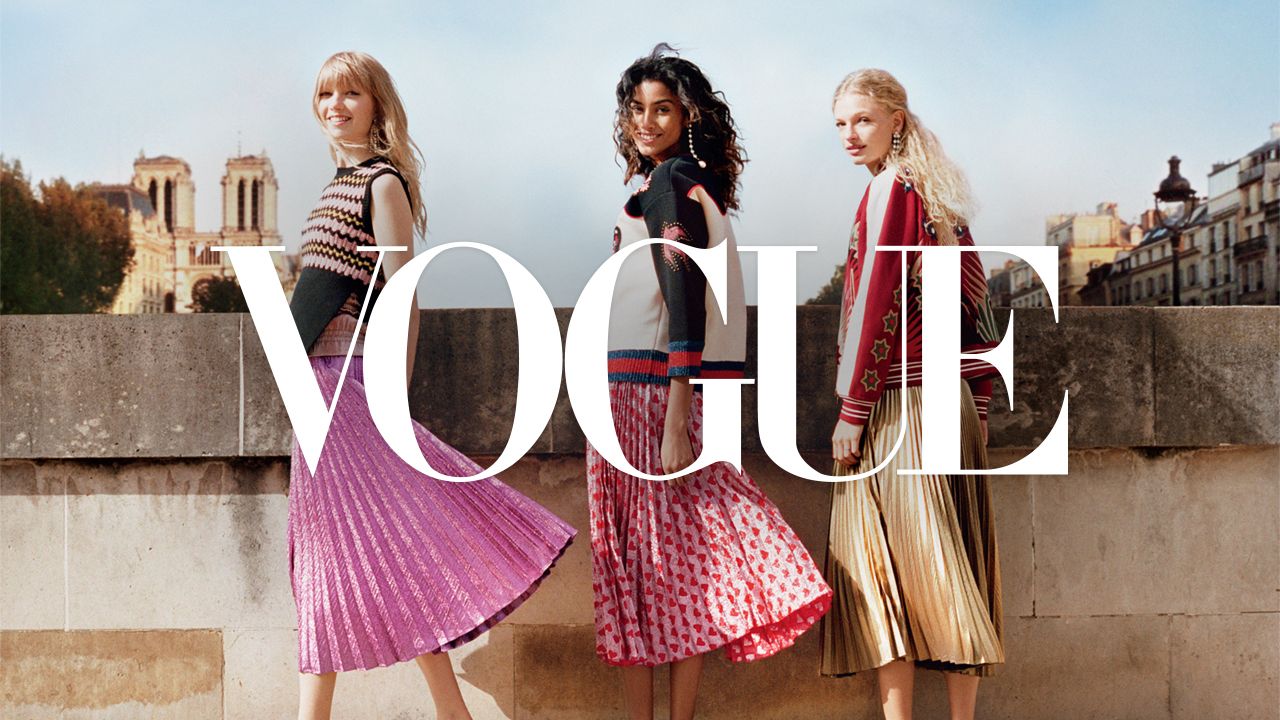
The overview
What Vogue is for
1Core Capabilities
- Daily-to-weekly editorial cadence across runway, beauty, and culture that keeps design teams aligned with in-season vocabulary
- High-quality photo direction and typographic treatment useful as benchmarks for lookbook and campaign styling quality
- Strong trend commentary framing that links aesthetics to cultural context, useful for explaining why a direction fits a target market
- Archived seasonal coverage that allows quick backtesting of past silhouettes, palettes, and surface trends
- Clear navigation of categories (fashion, beauty, culture, shopping) helps teams pull role-specific references quickly for briefs
Who it helps
Useful ways to use Vogue
A practical path
Select the issue and section for your current phase
Choose the Vogue coverage that matches your collection phase (runway, trend, or beauty/culture crossover), then extract only references that solve a concrete design question.
External signals
Reviews & reputation
Aggregated review score
Vogue can deliver reliable outcomes for creative skill acquisition, especially when rollout begins with a pilot focused on fashion.
Quick answers
Frequently asked questions
1Can Vogue replace internal trend research tools?⌄
Usually not. It is strongest as a directional and cultural reference layer. For full planning, teams still need internal sales insights, market research, and production feasibility data.
2How often should a team revisit Vogue content?⌄
Most teams check it regularly during collection shaping—commonly weekly and again near season lock windows—because narrative emphasis can shift quickly across editorial cycles.
3Is Vogue only useful for luxury fashion teams?⌄
It is most often associated with premium positioning, but teams in mid-tier or independent labels can still use it for trend grammar, styling coherence, and storytelling structure.
Keep exploring