

What Is WalletHub Used For: Features, Reviews & Alternatives
Free credit scores & financial product reviews.
Editorially updated Oct 25, 2025
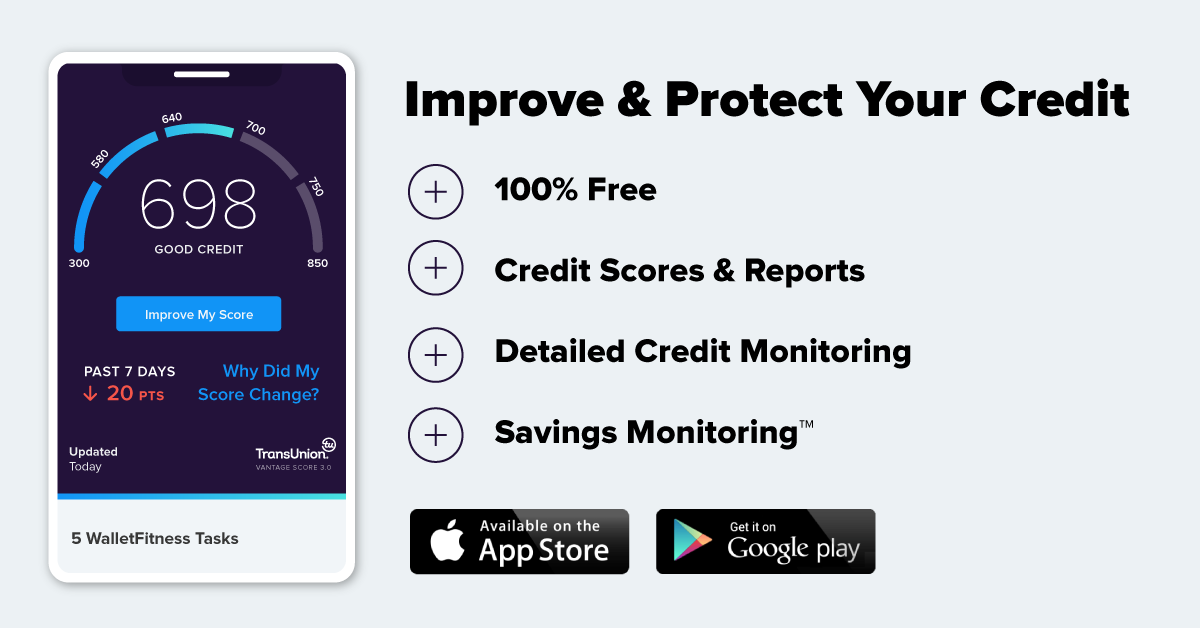
The overview
What WalletHub is for
1Core Capabilities
- Free credit-score access used as an entry point before contacting lenders, helping you decide whether to proceed with higher-cost products
- Centralized product pages for cards and loans with fee, rate, and requirement cues grouped for quick comparison
- Review aggregation that highlights patterns across users and published analysis, especially around credit score requirements and hidden cost triggers
- Risk-focused filters for credit-services comparisons, emphasizing repayment terms, credit score bands, and application conditions over generic category labels
- Guidance content that supports interpretation of what a score change means before you submit sensitive documentation to a creditor
Who it helps
Useful ways to use WalletHub
A practical path
Set your decision target
Choose the exact credit action first—new card, balance transfer, personal loan, or refinance—and define the primary constraint: monthly cost, approval certainty, or cash-out need.
External signals
Reviews & reputation
Aggregated review score
Confidence in WalletHub improves once teams validate initial setup and permission alignment against real production paths and monitor drift over the first rollout cycle.
Quick answers
Frequently asked questions
1Is WalletHub’s credit score access truly free, or are there hidden charges?⌄
WalletHub is positioned as a free score-and-reviews platform for consumers, but exact access depth, optional features, and regional availability can differ. Always confirm current pricing and premium requirements on the product page before depending on it.
2Does checking my score here usually affect my credit file?⌄
In practice, score viewing is often a soft-check activity, but lenders and credit bureaus can change this by case and product. If you plan to apply, use the official lender process for the definitive pull type and approval impact.
3Can I use it to make a money transfer or repay a loan?⌄
WalletHub is generally used for research and comparison. It should be treated as a decision and information layer, while actual money movement, payments, and account setup are usually handled on provider portals.
4How much can the review content be trusted?⌄
Treat reviews as directional intelligence: they often surface recurring pain points fast, but they are not equivalent to formal disclosures. Verify complaint trends, fees, and terms directly with the lender before committing.
5What should a cautious user verify first?⌄
Prioritize refresh date, pull type (soft/hard), clear fee totals, regional availability, and cancellation or withdrawal rights. This reduces the chance of acting on stale data or offers that no longer apply.
6Is this suitable for users managing risk-sensitive cashflow events?⌄
Yes, for planning-level decisions. It helps you reduce random applications, but it is not a replacement for contract review, legal advice, or lender-side underwriting.
Keep exploring