

What Is WD Red Drives Used For: Features, Reviews & Alternatives
Western Digital's line of NAS hard drives.
Editorially updated Oct 25, 2025
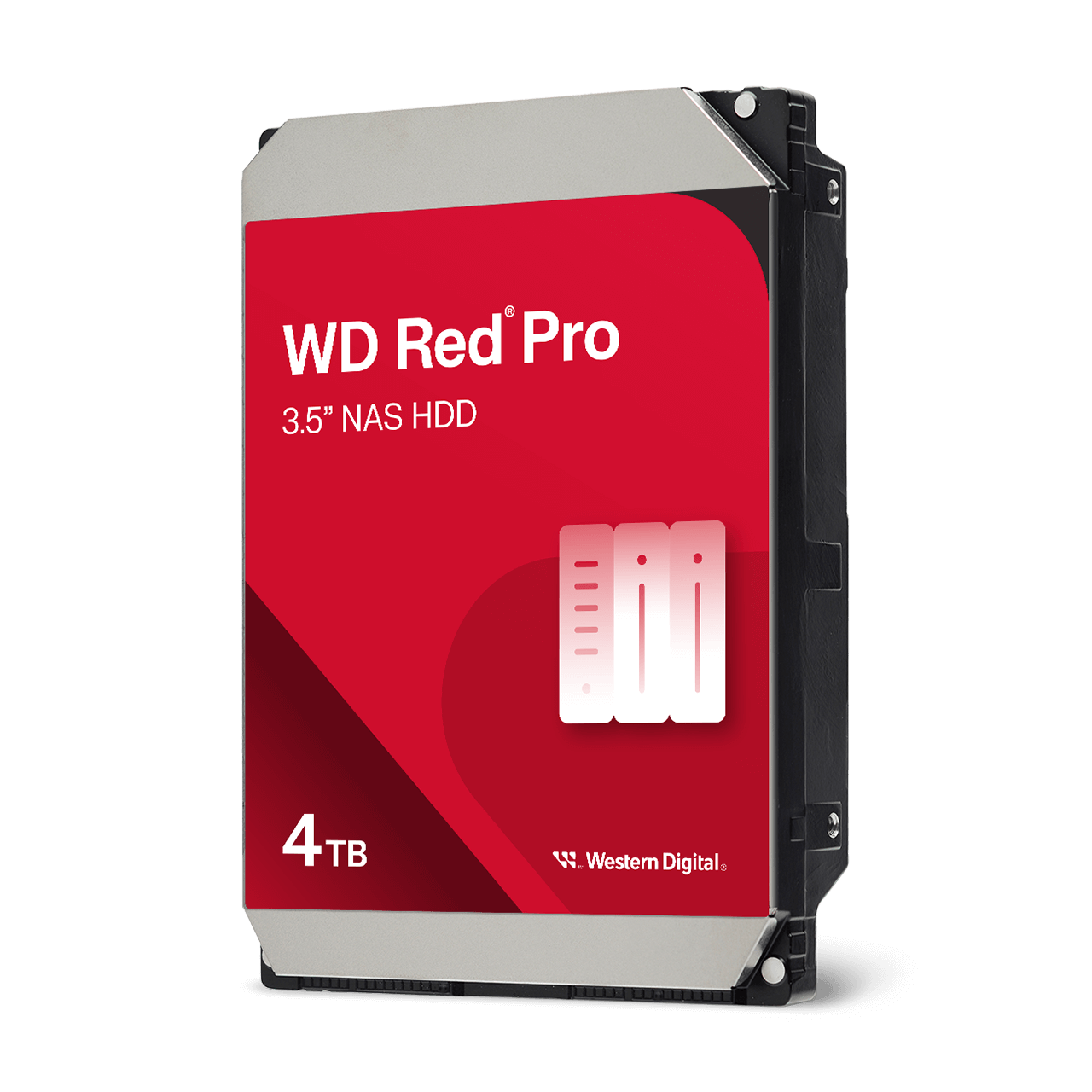
The overview
What WD Red Drives is for
1Core Capabilities
- NAS-oriented firmware behavior to reduce array-level surprises during rebuilds and parity resync
- Drive profiles optimized for multi-bay enclosure behavior, including thermal and vibration considerations
- Designed for continuous-read/write duty cycles common in shared storage workloads
- Broad compatibility with mainstream NAS tooling and monitoring standards (for example SMART and vendor diagnostics)
- Model-level differences (such as capacity and internal recording method) matter, so compatibility should be checked per NAS platform
Who it helps
Useful ways to use WD Red Drives
A practical path
Map NAS role before buying
List the heaviest NAS tasks first (backup ingest, media serving, snapshot retention, parity checks). WD Red sizing should follow task profile before capacity.
External signals
Reviews & reputation
Aggregated review score
Confidence in WD Red Drives improves once teams validate initial setup and permission alignment against real production paths and monitor drift over the first rollout cycle.
Quick answers
Frequently asked questions
1Are WD Red drives suitable for 24/7 NAS usage?⌄
They are generally selected for continuous NAS workloads, but suitability depends on the exact SKU, NAS model, and your cooling setup, so verify model-specific guidance before committing.
2Can WD Red be used in a 2-bay or larger home NAS?⌄
Yes, WD Red is commonly used in small and mid-size arrays. The better fit usually comes from aligning drive count, parity strategy, and workload pattern rather than buying the largest capacity first.
3How do I avoid compatibility problems in my NAS?⌄
Start with your NAS vendor’s qualified-drive list, then cross-check firmware and capacity support per model. If any model is listed as 'limited support,' treat that as a red flag for this workload.
4What is the main practical difference between WD Red variants?⌄
Specific features vary by variant and generation, so treat each SKU as a separate product rather than assuming all WD Red drives behave identically. Compare the exact data sheet and workload notes for your use case.
5Should I use WD Red for bursty media workloads?⌄
They are commonly used for media and backup patterns, but if your usage is always sustained high throughput with heavy random writes, verify that the exact model’s behavior and thermal profile match your sustained-load profile.
Keep exploring