

What Is Web Scraper Extension Used For: Features, Reviews & Alternatives
Chrome extension for scraping websites.
Editorially updated Oct 5, 2025
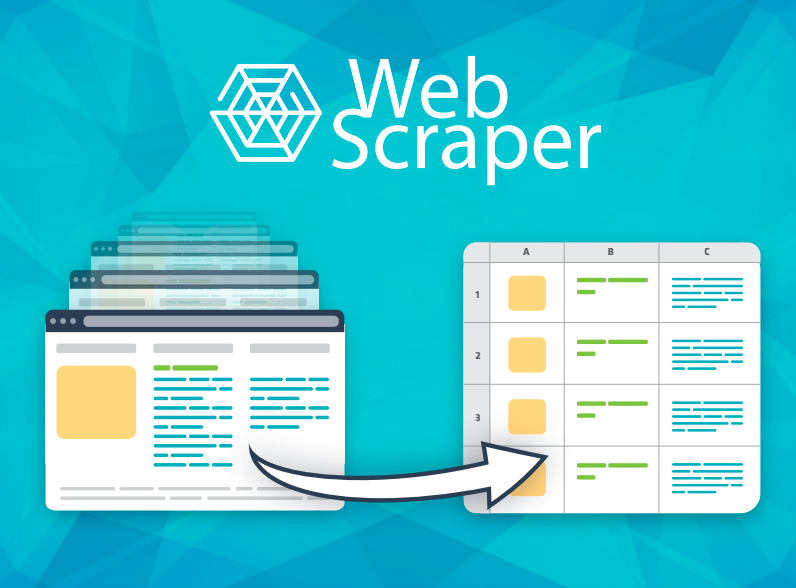
The overview
What Web Scraper Extension is for
1Core Capabilities
- Visual selector and regex extraction builder for fields such as title, price, description, and contact details directly in-page
- Configurable pagination and link-follow rules for multi-page category/listing traversal without manual URL scripting
- Element-level extraction templates that can be duplicated, versioned, and adjusted per domain pattern
- Built-in crawl delay and request pacing controls to reduce server pressure and reduce brittle runs
- CSV/JSON output with field-level consistency checks and easy handoff to Python or Node processing scripts
Who it helps
Useful ways to use Web Scraper Extension
A practical path
Map a target layout first
Open a representative page, identify stable containers for each field, and define extraction selectors for only the data elements your downstream pipeline expects.
External signals
Reviews & reputation
Aggregated review score
Web Scraper Extension performs best when teams prioritize clear task execution and operational repeatability and keep ownership explicit around repeatable team usage.
Quick answers
Frequently asked questions
1Is this a good fit for our use case, where page templates change every few weeks?⌄
It fits better when a site has predictable layout blocks and moderate change frequency. If templates mutate heavily, use it for rapid prototyping and plan for frequent selector maintenance.
2Can it scrape every dynamic page on a site with heavy JavaScript rendering?⌄
It handles many script-rendered patterns, but coverage depends on timing behavior and how the DOM updates. For highly interactive apps, test key templates first and budget for fallback logic.
3What is the main usage boundary for high-frequency runs?⌄
The practical boundary is respectful crawl pacing, legal constraints, and anti-bot defenses. If the source enforces strict rate limits or blocking, you should reduce frequency and add backoff strategies before scaling.
4How reliable is repeated extraction across 1,000+ URLs?⌄
Reliability varies by domain consistency. It performs best on homogeneous pages and weaker on mixed templates. Use periodic spot checks, selector aliases, and small validation samples to catch silent misses.
5How do teams use the output without creating ad hoc cleanup work?⌄
Standardize field names, types, and null handling at export time, then pass results to one parser script. This keeps downstream cleaning consistent and minimizes manual fixes.
Keep exploring