

What Is Webtoon Used For: Features, Reviews & Alternatives
Popular platform for vertical scrolling webcomics.
Editorially updated Oct 5, 2025
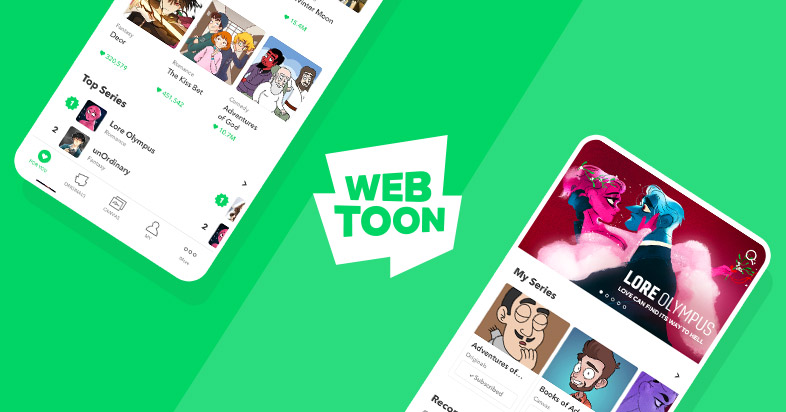
The overview
What Webtoon is for
1Core Capabilities
- Episode-centric publishing with chapter sequencing for consistent serial releases
- Genre, status, and language organization for comics discovery and curation
- Reader-flow optimized for vertical-scroll consumption on phones and desktops
- Comment-driven engagement that supports immediate fan feedback before the next chapter
- Creator publishing depth, including episode metadata and update timing controls
- Monetization and promotion surfaces that can support paid or reward-based models, depending on account and region availability
Who it helps
Useful ways to use Webtoon
A practical path
Define the release model
Set the series as a serial with clear chapter intervals and naming conventions, then align page length and pacing to your creator capacity. This reduces churn when episodes need quick turnaround.
External signals
Reviews & reputation
Aggregated review score
Webtoon can deliver reliable outcomes for workflow completion, especially when rollout begins with a pilot focused on popular.
Quick answers
Frequently asked questions
1Is Webtoon mainly for comics, or can I use it for other content types?⌄
The platform is positioned for comics-first content. You can sometimes publish adjacent visual storytelling, but retention tools and audience expectations are strongest for serialized comics.
2Can I reliably publish frequently, not just once?⌄
Most creators evaluate it by repeat behavior, not first-time launch appeal. Reliability of scheduled uploads, update notifications, and load stability over consecutive weeks is what matters most in practice.
3Are episode size and format restrictions strict?⌄
Platforms usually enforce media and scheduling constraints that can affect workflow speed. Confirm current chapter limits, resolution guidance, and file requirements in official docs before building production-level batch pipelines.
4Is monetization straightforward to start?⌄
Monetization options exist in varying forms and are often tied to region, account type, and policy status. Treat initial availability as a pilot and verify payout conditions before promising revenue targets.
5How good is discovery for new titles?⌄
Discovery can be strong for returning readers and frequent updates, but it is usually competitive and algorithmic. New creators should plan for discoverability work through quality cadence, clear tagging, and community engagement rather than relying on automatic visibility alone.
6Does documentation support long-term operations?⌄
Use documentation as a practical audit point: teams should look for clear explanations of upload workflows, moderation policies, policy changes, and account-level limits to avoid production blockers later.
Keep exploring