

What Is YNAB (You Need A Budget) Used For: Features, Reviews & Alternatives
Budgeting software based on zero-based method.
Editorially updated Oct 5, 2025
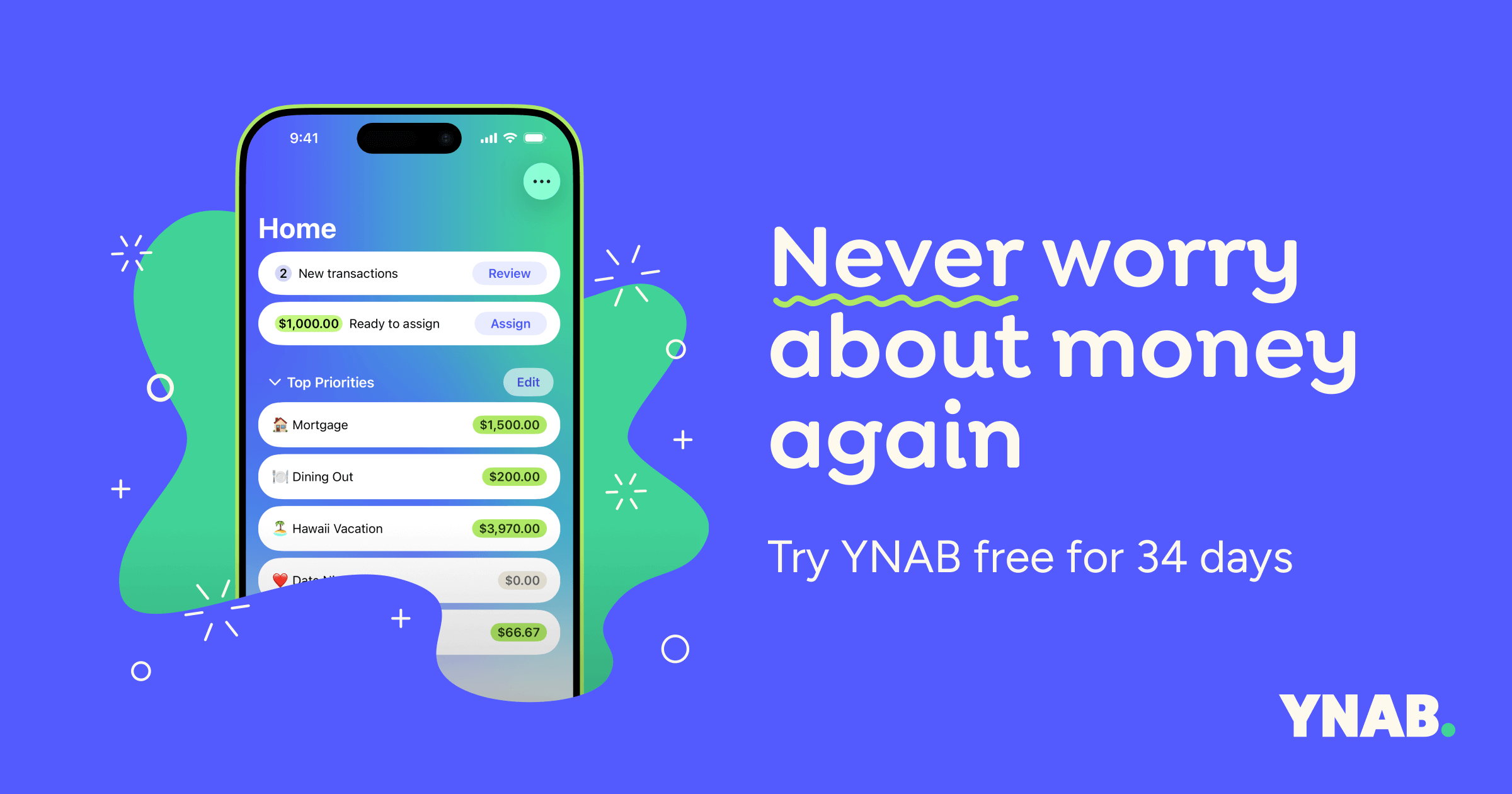
The overview
What YNAB (You Need A Budget) is for
1Core Capabilities
- Zero-based budgeting with category-level dollar assignment so each paycheck is allocated before spending
- Target planning for bills, true expenses, and savings buckets, with shortfall visibility by category
- Transaction import plus manual entry support, including category assignment and reconciliation workflows
- Real-time category balances that act like digital envelopes for day-to-day spending decisions
- Shared household budgeting with synced updates, so multiple people can operate from one current plan
Who it helps
Useful ways to use YNAB (You Need A Budget)
A practical path
Map Cash to Immediate Categories
List all near-term obligations and assign current account dollars to those categories first, including irregular annual costs prorated monthly.
External signals
Reviews & reputation
Aggregated review score
YNAB (You Need A Budget) performs best when teams prioritize clear task execution and operational repeatability and keep ownership explicit around repeatable team usage.
Quick answers
Frequently asked questions
1Is YNAB useful if I dislike strict budgeting systems?⌄
It may feel rigid at first. YNAB works best when you are willing to assign dollars intentionally and revisit categories frequently.
2How much manual work should I expect?⌄
Expect ongoing effort. Even with bank import, many users still review and recategorize transactions weekly to keep category balances accurate.
3Can it handle irregular or seasonal expenses well?⌄
Yes, that is a common strength of zero-based budgeting tools. Results depend on whether you consistently pre-fund sinking categories before due dates.
4What should a cautious user verify before subscribing?⌄
Check annual price vs expected savings, bank connection reliability for your institutions, export options, and shared-access permissions if multiple people manage the budget together.
Keep exploring