

What Is iMac Used For: Features, Reviews & Alternatives
All-in-one desktop computer.
Editorially updated Oct 25, 2025
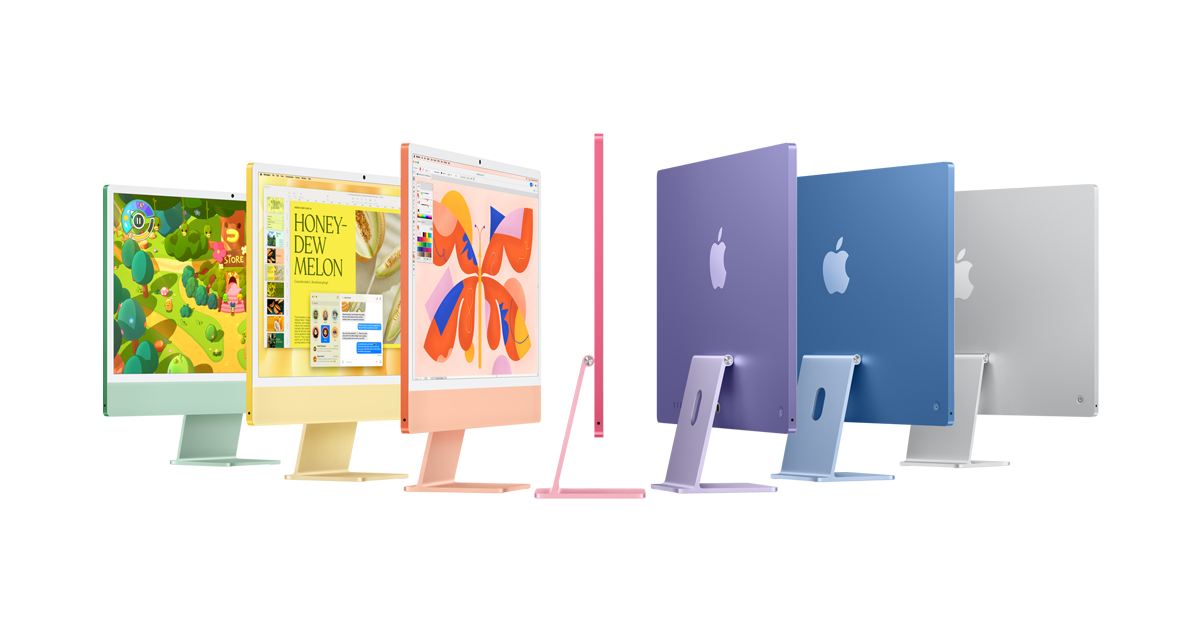
The overview
What iMac is for
1Core Capabilitie
- Retina Display Canvas for detailed UI/UX review and multi-tab browser layout
- Safari Web Inspector for real-time DOM manipulation, network analysis, and performance profiling
- macOS Sandbox Environment for secure execution of web applications and browser extension
- Universal Clipboard Integration for seamless transfer of web content, code snippets, and asset
2Specialized Workflow
- Multi-Display Web Staging for simultaneous viewing of live sites, staging environments, and code editor
- Quick Look for Web Assets for instant preview of downloaded web files directly from Finder
- Automator Web Automation for scripting repetitive browser tasks, data extraction, or form submission
- Sidecar for iPad Pro to extend browser workspace for secondary reference or touch-based interaction
Who it helps
Useful ways to use iMac
A practical path
Access a Web-Based SEO Audit Tool
Launch Safari or a preferred browser on the . Navigate to a specific web-based SEO audit platform (e.g., Ahrefs, Semrush). Sign in with credentials to access the dashboard
External signals
Reviews & reputation
Aggregated review score
The iMac provides a robust and visually stunning platform for web professionals, excelling in demanding browser-first workflows, design, and development tasks within the Apple ecosystem.
Quick answers
Frequently asked questions
1Is the iMac suitable for running multiple demanding web development environments and browser tabs simultaneously?⌄
Absolutely. Modern iMac models, especially those with M-series chips, are engineered for high-performance multitasking. They can comfortably handle numerous browser tabs, multiple web-based IDEs, local development servers, and even virtual machines for cross-platform testing, all without significant slowdowns, making them ideal for intensive web development workflows.
2How does the iMac's display quality benefit web designers and content creators using browser-based tools?⌄
The iMac's Retina display offers exceptional color accuracy and pixel density, which is crucial for web designers ensuring their designs render precisely across various devices. For content creators, this means accurate color grading for web graphics and video, and sharp text rendering for readability, directly within browser-based design and editing applications.
3What are the security implications of using an iMac for sensitive web-based operations like financial transactions or client data management?⌄
macOS on the iMac provides robust security features, including Gatekeeper, XProtect, and a secure enclave for sensitive data. When combined with best practices for browser security (e.g., strong passwords, two-factor authentication, reputable VPNs), the iMac offers a highly secure environment for handling sensitive web-based operations, protecting against common web threats.
4Can an iMac effectively replace a dedicated server for local web development and testing?⌄
While an iMac can run local development servers (e.g., Apache, Nginx, Node.js) and databases for testing, it's primarily a client machine. For production environments or large-scale, high-traffic testing, a dedicated server or cloud-based infrastructure is always recommended. The iMac excels as a powerful workstation for developing and testing against these environments.
5How does the iMac integrate with cloud-based web services and collaboration platforms?⌄
The iMac, running macOS, seamlessly integrates with virtually all cloud-based web services and collaboration platforms through its robust browser support (Safari, Chrome, Firefox) and native applications. Features like Universal Clipboard, Handoff, and iCloud Drive enhance the workflow, allowing for easy sharing of links, files, and content between web apps and other Apple devices.
Keep exploring